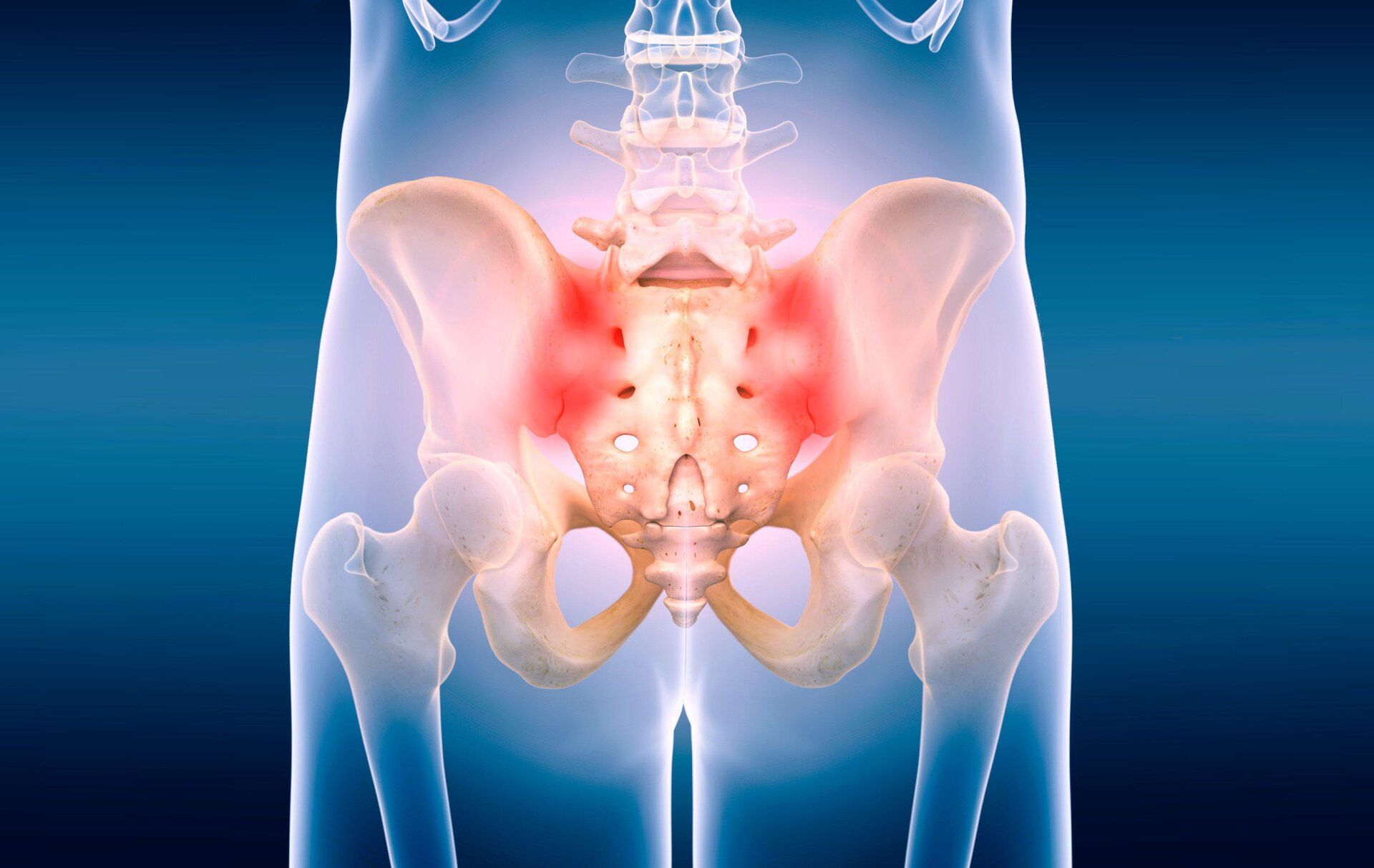
Understanding Joint Pain: Common Causes and Solutions
Joint pain is a common complaint that can significantly impact one's quality of life. Understanding the common causes of joint pain is essential for effective management. Some of the most prevalent causes include:
- Arthritis: This encompasses various conditions, including osteoarthritis and rheumatoid arthritis, leading to inflammation and pain.
- Injuries: Trauma from accidents or sports can result in fractures or ligament damage, contributing to joint discomfort.
- Overuse: Repetitive motion or prolonged activity can strain joints, particularly in athletes or those with physically demanding jobs.
Treating joint pain effectively requires a tailored approach depending on the underlying cause. Here are some solutions you might consider:
- Physical therapy: Tailored exercises can strengthen the muscles around the joint, providing more stability and reducing pain.
- Medications: Over-the-counter pain relievers and anti-inflammatory drugs can be effective in managing symptoms.
- Weight management: Maintaining a healthy weight can alleviate stress on weight-bearing joints, improving overall joint health.
Top 5 Exercises to Strengthen Your Joints and Reduce Discomfort
Strengthening your joints is crucial for maintaining mobility and reducing discomfort as you age or recover from an injury. Here are the top 5 exercises that can help you achieve better joint health:
- Bodyweight Squats: This exercise targets the knees and hips, promoting flexibility while building strength. Stand with your feet shoulder-width apart and squat down as if sitting on a chair, ensuring your knees don’t extend beyond your toes.
- Plank: A fantastic exercise for overall body strength, the plank helps stabilize the shoulders and core. Hold yourself in a straight line from head to heels on your forearms; aim for 30 seconds to 1 minute.
- Wall Push-Ups: This modified version of a traditional push-up reduces stress on the wrists and shoulders while still enhancing upper body strength. Stand a few feet away from a wall and push your body away, keeping your elbows at a 45-degree angle.
The last two exercises are just as essential for joint health.
- Leg Raises: Perfect for strengthening the hips and abdominal muscles, lie on your side and lift your top leg, keeping it straight. Hold for a few seconds at the top before lowering it back down.
- Wrist Flexor Stretch: This exercise helps enhance flexibility and reduce discomfort in your wrists. Extend one arm in front with your palm facing you, use your other hand to gently pull back on your fingers, holding the position for 15-30 seconds.
Is Your Diet Affecting Your Joint Health? Key Foods to Include and Avoid
Your diet plays a crucial role in maintaining joint health, as certain foods can either exacerbate inflammation or promote healing. Incorporating nutrient-rich foods can help reduce the risk of joint pain and improve mobility. Key foods to include in your diet are those rich in omega-3 fatty acids, such as salmon and walnuts, which have anti-inflammatory properties. Additionally, consuming fruits and vegetables high in antioxidants, such as berries and spinach, can combat oxidative stress in the body. Whole grains and healthy fats from sources like olive oil can also support overall joint function.
On the flip side, there are several foods you should consider avoiding to maintain optimal joint health. Processed foods, high in trans fats and refined sugars, can lead to increased inflammation, exacerbating joint pain. Additionally, excessive consumption of red meat may contribute to inflammation, so it's wise to limit these choices. Instead of soda and sugary beverages, opt for water or herbal teas, as these can help keep your body hydrated and reduce the risk of inflammation. By being mindful of what you eat, you can promote better joint health and enhance your overall quality of life.